

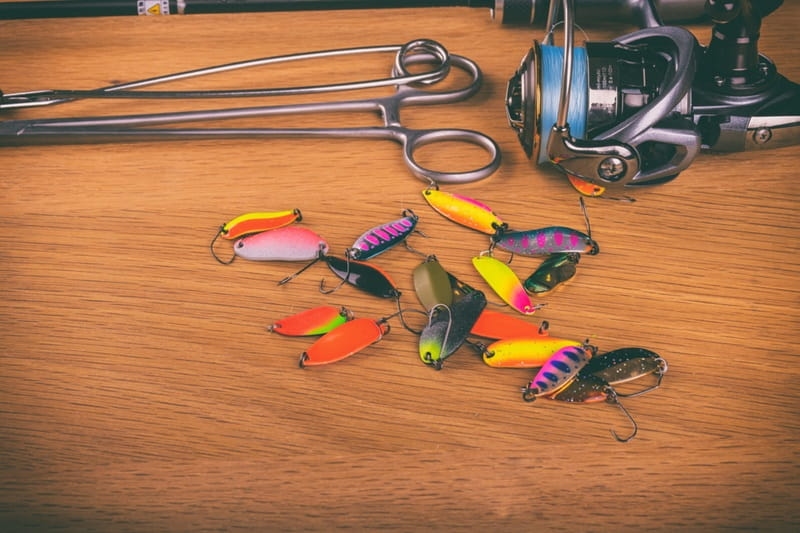
The best fishing lures play a major role in how successful a fishing session can be. They can help you attract fish by creating the right movement in the water. Therefore, it is very important for you to choose the right lure.
In this blog, you will learn what the things are that make the best lures stand out, and also explain their types. You can also find out the best seasonal bait choices and share simple steps that help anglers make better decisions without confusion.
Must Read: Best Fishing Spots in Stardew Valley for Easy Profits
The best fishing lures prove their worth by doing their job and not requiring constant babysitting. A well-made fishing lure should have a smooth motion in the water, making it easy to cast. A fishing lure should not force you to constantly manipulate the lure, especially every second or minute. A lure that naturally moves will get a fish to respond easily. Ease of manipulation, smooth motion, consistent movement – these are more important than flashy looks and robust construction.
Consistency is another big deal when it comes to lures. A lure that works the same way every time ensures the trust of the angler. This way, you can focus on when and where to position it rather than how to tweak its motion. Even simplicity in construction contributes to reducing retrieval problems. A lure that works with you rather than against you contributes to more successful and less tiring anglers.
This section breaks down commonly used lure types seen across many regions. Each one serves a clear purpose.
You have floating lures, which operate on the surface of the water, creating visible movements and ripples. They are effective in areas with shallow water, as the shininess catches a fish’s attention. As they are designed for slow retrieval, this makes it possible to have full control over them.
Slip-diving lures go under the surface and maintain that depth while you reel in. They are great for fishing where the surface water isn’t biting because you're covering so much surface area.
Soft body lures mimic the movement of a fishing rod with a lifelike and soft movement. These lures also appear natural when immersed in water and do not require any high-energy movement. They also offer the very best solution when the fish prefer subtle presentations.
Seasonal changes affect fish behavior. Water temperature, light, and movement all play a role. These bait options match those changes in a simple way.
Earthworms do their best in calm and stable environments. They float naturally and do not require quick retrieval. They perform best in calm waters that offer consistent feeding, and they are popular for their performance and the little fuss required.
Minnows work well when the fish are definitely moving around and looking hungry. The natural form of minnows, along with their swimming, grabs attention fast, making them work well in areas with current, also in open water, while continuing to cast out further.
Crickets are good lures for warm days if fish are responding to the action at the surface of the water. They are good because of the little movement that sparks the fish's curiosity. They work well when the water is shallow and can be handled easily.
Top Pick: Beginner Fishing Techniques That Make First Casts Feel Easy
These lure tips for bass focus on control and timing. No tricks. Just clear habits that improve consistency.
A steady retrieval speed helps bass track the lure without hesitation. Sudden changes can break interest. Smooth movement keeps the presentation natural. Anglers should aim for consistency rather than speed during each retrieve.
Lure size should match the space being fished. Larger areas allow bigger movement, while tight spaces require smaller sizes. Proper sizing improves control and reduces unnecessary motion. This simple choice often leads to better results.
Controlled casting places the lure where bass are more likely to respond. Quiet entry into the water reduces disturbance. Accuracy supports better positioning and allows the lure to move naturally from the start of the retrieve.
This section explains how to choose the best fishing lures using a simple process. Each step builds on the last.
Knowing the water depth, flow, and surroundings helps narrow choices quickly. Location affects how a lure behaves. A clear understanding at this stage prevents poor selection later and keeps decisions logical.
Watching for surface movement or stillness helps guide selection. Fish activity shows how they may respond. Observation reduces guesswork and supports better placement before the first cast.
Clear water requires subtle movement, while cloudy water allows stronger action. Matching clarity keeps the presentation natural. This step helps anglers avoid unnecessary adjustments during retrieval.
Comfort during retrieval matters more than variety. A lure that feels easy to control supports longer sessions. Simple handling improves focus and reduces fatigue during repeated casting.
Small changes in speed or angle often improve results. Gradual adjustment keeps control steady. This approach helps anglers learn what works without constantly switching lures.
The best fishing lures focus on balance, movement, and ease of use. These options suit different conditions without adding complexity.
Surface-floating lures remain highly visible and easy to track, and they work well in shallow water and calm conditions, as the angler can control them closely while maintaining the tempo of the retrieve.
Diving lures come in a variety of depths and feature a steady, smooth action. Diving lures entice fish underwater with little physical demand and work well in different circumstances.
Soft-bodied lures give a soft response to the movement of the rod. This is natural and nuanced and does not involve snapping. They work well in quiet water.
The best fishing lures are chosen through observation, simplicity, and steady control. Clear steps help anglers avoid confusion and improve consistency. Matching conditions with practical choices leads to better results. With time and patience, lure selection becomes easier, more natural, and more effective.
Lures should be changed only when conditions clearly change. Too many changes reduce focus.
Yes, simple lures are easier to control and help build confidence.
Water clarity affects visibility and movement, making it an important factor.
This content was created by AI