

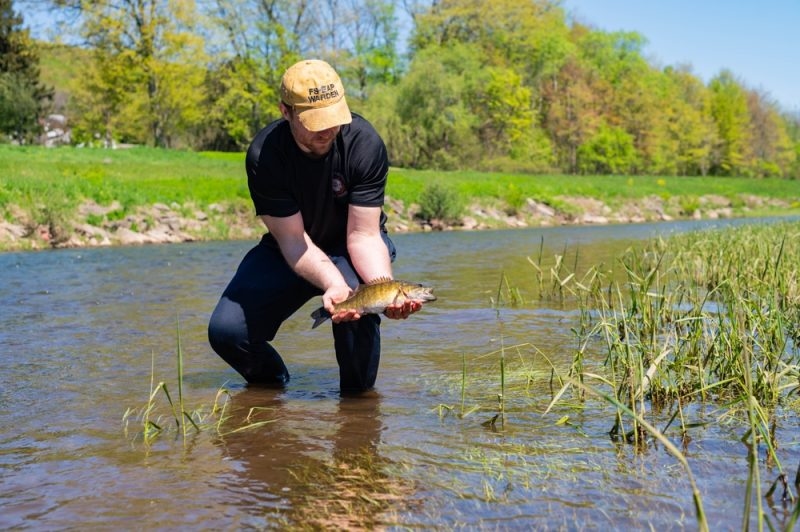
Anyone who's spent real time bass fishing in lakes knows it's less about luck and more about paying attention. Every lake has its own personality, and figuring that out takes a few trips, not just one. This guide walks through practical bass fishing techniques for lakes, covering lure choice, timing, and where fish actually sit. None of it is complicated once you've tried it a few times. By the end, you'll have a clearer sense of where bass hide, what to tie on, and how to fish for bass in lakes without guessing so much.
There's something satisfying about bass fishing in lakes that river fishing just doesn't offer in quite the same way. The water sits still, structure stays put, and fish tend to behave in patterns you can actually learn. You can fish the same dock three weekends in a row and get sharper each time. That repeatability is exactly why so many anglers pick lakes when they're trying to build real skill.
Bass don't like sitting out in open water for very long, and honestly, who can blame them? They'd rather tuck against submerged trees, rock piles, dock posts, or thick weed mats. All that cover gives them a place to ambush prey without exposing themselves. Once you start noticing where bass hide in lakes, your casts stop feeling random.
Docks, fallen logs, and low-hanging bushes throw shade and cover right along the bank. Bass often sits tight against these edges, waiting for something to swim by. Casting parallel to the structure instead of straight into it usually draws more bites from cautious, wary fish.
Once the sun climbs high, bass tend to slide into channels, humps, or submerged points offshore. A basic fish finder makes locating these spots a lot less guesswork. Slow-rolling a spinnerbait or dragging a jig through that deeper water often gets bites when the shallows go quiet.
Figuring out how to catch bass in lakes really starts with reading the conditions in front of you. Take a minute to watch for surface activity, wind direction, and shade before picking a spot. Small tweaks to retrieve speed or lure depth often separate a slow day from a great one.
Keep an eye out for baitfish flicking around, small ripples, or birds diving nearby. Those little clues usually point straight toward feeding bass close by. Spending five extra minutes watching the water can save you an entire afternoon of blind casting.
Bass spook fast in clear, shallow water, especially on calm, quiet mornings. Try to skip the heavy footsteps on docks or slamming your boat compartments shut nearby. A quieter approach keeps fish relaxed, which usually means a more confident, committed strike.
The best bass fishing techniques for lakes usually come down to patience and a willingness to switch things up. Rotating between topwater, mid-depth, and bottom presentations helps you figure out what fish actually want. Don't stick with one lure too long if the bites just aren't happening.
Aim your cast just past the visible structure, then bring the lure back through the strike zone. Bass often hits right as it clears the edge, not out in the open middle.
A fast retrieve works sometimes, sure, but slow and deliberate usually wins more often than not. Pause your lure near cover every so often. That brief hang time tends to trigger a reaction bite from a bass that's been watching quietly.
The right bait really depends on water clarity, depth, and what time of year it is. Here's a quick table to help answer what is the best bait for bass in lakes across the seasons.
| Bait Type | Best Conditions | Depth Range |
| Soft plastic worms | Clear water, slow presentation | Shallow to mid |
| Spinnerbaits | Murky water, active fish | Shallow to mid |
| Crankbaits | Covering water quickly | Mid to deep |
| Topwater frogs | Early morning, weed mats | Surface |
| Jigs | Cold water, structure fishing | Deep |
Bass fishing in freshwater lakes calls for lures that can handle weeds, wood, and rocky bottoms without constant hang-ups. Weedless designs save a ton of frustration once the vegetation thickens up. Want a deeper breakdown? This guide to the best bass fishing lures covers more specific picks worth trying.
Largemouth bass fishing rewards anglers who aren't afraid to get into thick, messy cover. These fish gravitate toward weed edges, laydowns, and shaded docks over open water. Learning how to catch largemouth bass in a lake basically means flipping jigs and soft plastics tight against structure, again and again.
This close-range technique drops your lure quietly into tight pockets without much splash or disturbance. It works especially well around docks and fallen timber, where largemouth bass like to sit and wait.
Timing honestly matters just as much as lure choice when bass are active. What is the best time to fish for bass in a lake? It shifts with the season, weather, and water temperature swings.
| Season | Best Time of Day | Bass Behavior |
| Spring | Midday, warming water | Moving shallow to spawn |
| Summer | Early morning, dusk | Deeper, avoiding heat |
| Fall | Afternoon | Feeding heavily before winter |
| Winter | Midday, slower approach | Sluggish, deep structure |
Good bass fishing spots tend to share the same basics: cover, depth changes, and baitfish nearby. Look for weed lines, rocky points, and clusters of docks when you're scouting somewhere new. If you want tips on finding water other anglers overlook, this piece on secret fishing spots is worth a read.
A handful of reliable bass fishing tips can sharpen your results no matter your experience level. Keep these in the back of your mind every time you head out.
Bass fishing in lakes really comes down to observation, patience, and a bit of trial and error. Once structure, seasonal timing, and lure choice start clicking, the results follow pretty naturally. Try these bass fishing techniques for lakes on your next trip, and don't be surprised if the catches get noticeably better.
Start with a soft plastic worm and a medium spinning rod near shoreline cover. Focus on docks, weed edges, and fallen trees first. Patience and a quiet approach matter more than expensive gear early on.
Depth shifts with the season and temperature, ranging anywhere from one foot to over twenty feet. Spring and fall push bass shallower, while summer heat and winter cold send them toward deeper structure instead.
Definitely, shore fishing works well near docks, points, and weed beds close to accessible banks. Plenty of anglers land quality largemouth bass from shore, especially early morning when fish move shallow to feed.
Natural colors like green pumpkin suit clear water, while brighter shades help out in murkier conditions. Match your lure to water clarity and light levels for more consistent, reliable strikes throughout the day.
Yes, techniques shift quite a bit as water temperature changes across the year. Spring favors shallow, slower presentations near spawning areas, while summer and fall usually call for deeper, faster-paced structure fishing.
This content was created by AI