

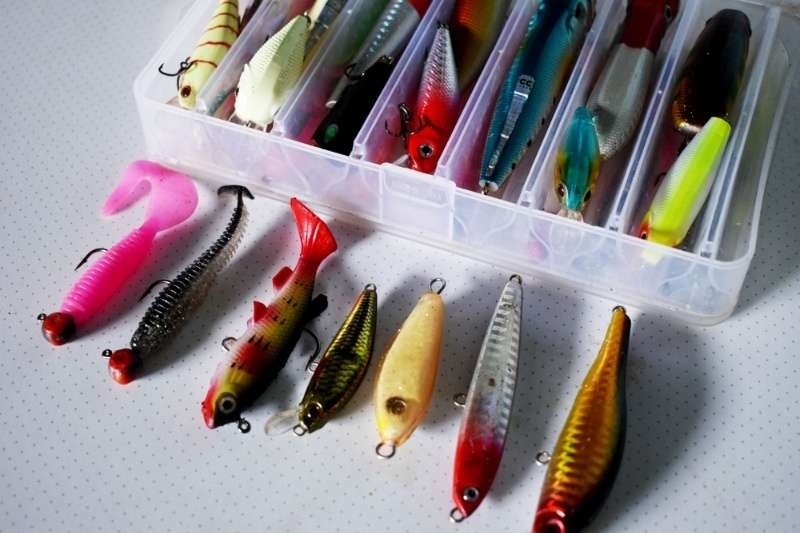
Bass fishing can be one of those sports that look so easy until you get out on the water, though some days bass will literally hit anything you throw out to them, and other days it might be difficult to get a bite for hours. This is why selecting the right lure selection tips is so important; the lure you use determines where in the water it falls, how it moves, and what it looks like, which is how bass will decide to strike.
Bass fishing is the most popular type of freshwater fishing in the U.S. Millions are spent each year experimenting with different bait types and fishing combinations, as fishing experts recommend different combinations for different waters and seasons. But you don't need hundreds of lures to succeed; once you know how different types of freshwater lures work, your catch rate will skyrocket. So let's look at some of the best bass fishing lures and how to choose the right lures to work with your techniques.
Bass react differently based on water clarity, temperature, weather, and their current feeding patterns; what works in springtime may not work at all in the dead of winter. This is why most expert anglers try different lures based on what is working on that particular day instead of sticking with one bait.
This is the same for different waters: some require louder lures because bass depend heavily on sound in murky waters, while others require subtle colors and slow, realistic movement in clear waters. The depth can also be very important, as some lures will skim across the surface of the water, while others will sink very deep near underwater cover.
When you learn the mechanics behind different lure types, you'll see just how much advantage this can give you on the water rather than just casting out blindly.
Many types of lures can work in certain situations. Knowing which lure to use for different water conditions will significantly improve your catch rate.
These are among the most reliable lures for freshwater fishing due to their effectiveness over large water areas. These hard-bodied lures imitate small baitfish and are excellent for luring in distant bass. There are several types of crankbaits. Squarebill crankbaits are a popular choice for shallow waters around rocks and wood cover, while diving crankbaits can reach depths of 15+ feet underwater. Many expert anglers prefer crankbaits in the summer and fall seasons because they are very active chasing baitfish.
Spinnerbaits are the perfect lures for stained or windy waters due to their flashing and vibrating metal blades, which can easily help a bass pinpoint the bait. These lures are also good for fishing around weeds because of their snag-free design. White, chartreuse, and silver are often the preferred color schemes of anglers in bass fishing tournaments.
Simple yet incredibly effective for bass fishing, soft plastic worms imitate natural prey. Realistic action is easily achieved with soft plastic worms. Texas-rigged worms are great when fishing through heavy cover, while wacky-rigged worms create a more subtle, slow-motion lure for calmer waters. Results from Bassmaster competitions have often shown that soft plastic lures are highly effective at catching large bass, particularly in heavily pressured waters.
Jigs can often catch the largest bass because they imitate the bottom-feeding prey that bass feed on around rocks and underwater structures. Football jigs tend to work the best on rocky surfaces and bottoms, while flipping jigs can be extremely effective for fishing in deep vegetation or submerged wood. Jigs can take some patience, but they are often rewarded with catching large trophy bass.
Some of the most exciting moments a bass fisherman can experience are a strike from a topwater lure. Topwater lures sit on top of the water and look like injured baitfish, frogs, and other small prey, which can entice bass to the surface and get a big, exciting strike. These lures include poppers, frogs, and walking baits. Topwater lures work best in the morning and evening when the bass tend to move up closer to the surface for prey.
When choosing the right lure, water clarity is one of the most important factors to consider. If the water is very murky and dirty, use a brightly colored lure so the bass can find it. In clear water, subtle colors are generally better because the bass can see the lure clearly and might be more attracted to a realistic look. The season is also important: in spring, when bass are spawning, you should use soft plastics or jigs, as bass will stay in shallow water. However, in summer, you want to have something that is deeper, so crankbaits or larger worms can be used to catch bass in deep waters because of warm surface temperatures.
The weather also affects the type of lures you should use. A windy day calls for spinnerbaits, as bass are more likely to notice the vibration. On the other hand, calm waters call for the more subtle presentation of a slow-moving worm or a jig.
Size is also a factor; some larger species of bass will be looking for a large lure; however, in smaller bodies of water or with smaller types of bass, it would be better to use a smaller lure so they can handle it. Many professional anglers suggest not carrying too many different lures and instead having just a few reliable lures to cover the bases.
Some of the more skilled anglers create their own lures by mixing and matching parts to create custom colors, weights, blades, and movement types. For example, you can use a soft plastic worm kit at home and make them in many different sizes and styles. It can save a lot of money over time compared to buying so many custom baits at bait shops. Fishing experts often recommend avoiding expensive tools; you are often better off purchasing a basic kit and experimenting yourself.
The technique used to reel in the lure is a very important element. You will find that crankbaits work well when retrieved at a steady pace, while a spinnerbait is best when it is retrieved at a variable pace to entice more strikes. Soft plastic worms work best when they are slowly dragged across the bottom so that they can mimic natural prey behavior, and you should pay close attention to structure where bass are more likely to be hiding.
Bass are opportunistic species and will often react to a quick, sharp strike on the lure when they aren't hungry and may just be provoked to strike.
The most successful bass fishermen know which lures will be effective in different types of water, and that can make all the difference. Knowing which bait is effective in which conditions and which retrieval method to use for a given bait can ensure a large catch. Moreover, if you are new to fishing and learning things about baits and products to choose from, or a buying guide, you can check rebates.com for an easier journey to buying the best lures.
Beginners should use lures that are somewhere between 3 and 5 inches in length because these types of lures will be more likely to attract smaller and larger fish to the lure. Any larger, and the bait can be difficult for a beginner to handle; any smaller, and it may not be cast far enough to achieve results. Medium-sized crankbaits and worms would be the most useful.
Of course, they are different, and one needs saltwater fishing gear differently from freshwater. Freshwater lures are typically lighter and built to operate in freshwater environments. Saltwater tackle is built for stronger fish and harsher conditions and is resistant to saltwater corrosion. Although anglers might use saltwater rods for fishing heavy bass cover, for the most part, bass tackle is designed for freshwater conditions, accuracy, and performance.
No doubt! Fish act differently depending on conditions, and this is certainly true for bass. Clouds can spur activity within shallower areas. The brilliant sun will drive bass into deeper cover. Wind helps a lure come alive and disorients the bass, making them more willing to strike. Sudden temperature changes or storms may cause a lull in feeding and can necessitate a slower presentation.
This content was created by AI